Hardcover
A keepsake print edition of the complete memoir with photographs.
Buy on AmazonNow Available in Print
A memoir in poems, photographs, journal entries, fragments, and reflections on what we carry, what we survive, and what still shines.
The story of a woman returning to the voice that stayed. A witness told through poetry, photography, memory, faith, grief, survival, and light.
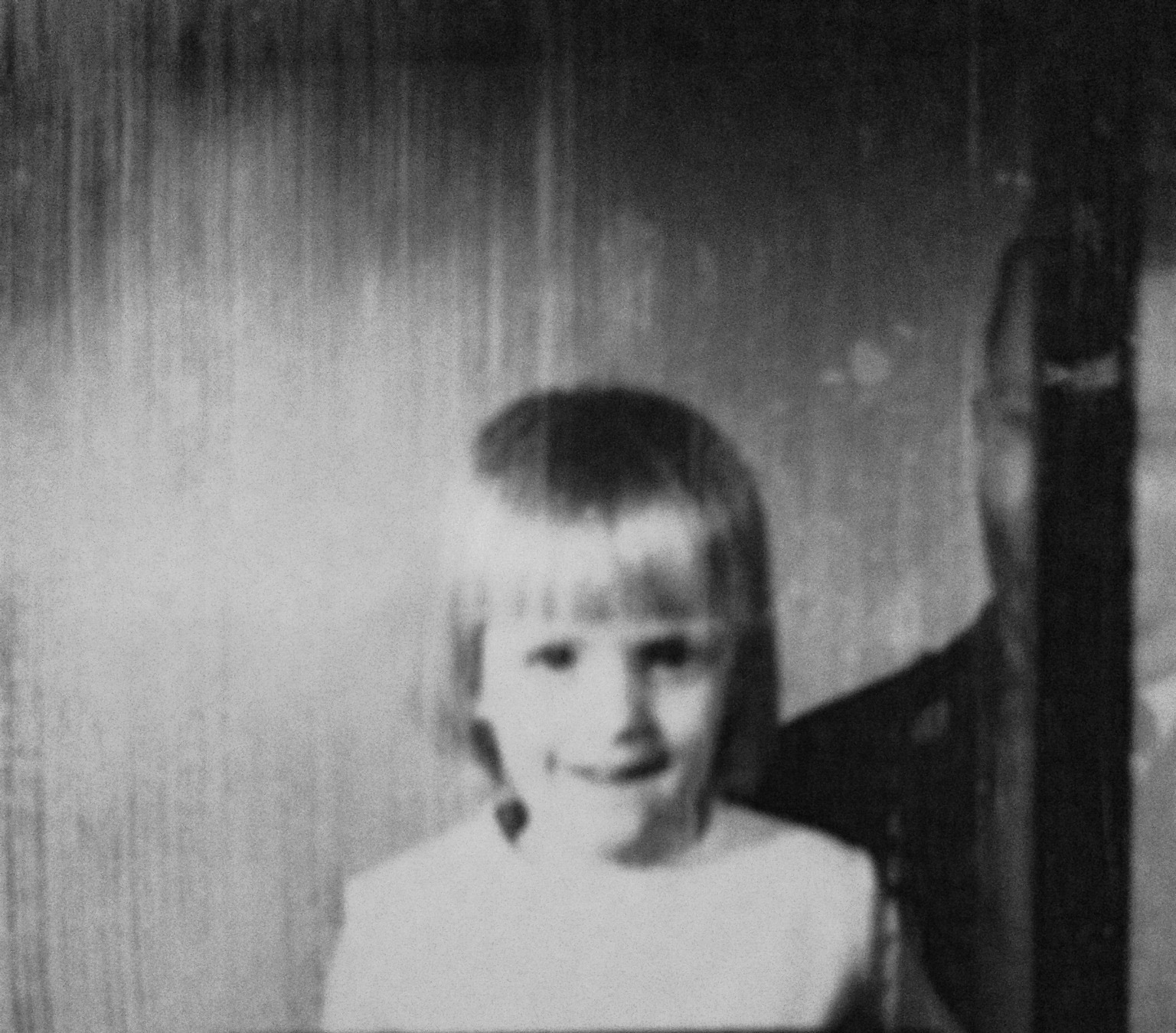
Reba, aged three or four. Early family/archive photo.
Before the poems, before the photographs, before the house with many rooms, there is this first small truth: I was afraid to begin. Opening the first door did not mean I had to walk through the whole house at once. It meant I was willing to put my hand on the knob and let in a little light.
Defining Light in Dark Places is the story of a woman returning to the voice that stayed.
Before Reba A. Winters learned to define light through photography, she tried to understand darkness through poetry. As a teenager and young woman, she filled pages with red ink, writing poems that carried grief, confusion, longing, faith, fear, and survival before she had language for trauma. Decades later, those poems became part of a larger story: one of childhood sexual abuse, family silence, Bipolar Disorder I, Complex PTSD, ADHD, grief, loss, faith, recovery, and the slow work of learning to live whole.
This book is not a traditional memoir told in a straight line. It is a house with many rooms.
Inside are poems written across decades, journal entries, personal reflections, family memories, and photographs that bear witness beside the words. Some pages look directly at trauma. Some sit with grief. Some wrestle with mental illness, dissociation, shame, anger, and the body’s memory of harm. Others hold music, faith, friendship, love, photography, advocacy, and the small, stubborn lights that refused to go out.
With careful honesty, Winters writes about the complexity of family, the difficulty of fragmented memory, and the truth that healing does not always arrive neatly. She does not turn pain into spectacle. She does not pretend certainty where memory is incomplete. But she also refuses to make the truth smaller simply because it is painful.
At its heart, Defining Light in Dark Places is a witness.
This is a book about survival, but not survival as something clean or simple. It is about surviving with scars, questions, contradictions, and tenderness intact. It is about learning that stability does not destroy the fire. It gives the fire a safer place to live.
Through poetry and photography, Winters explores how creativity can become both record and refuge. When the red ink went quiet, the camera became another language. The photographs in this book are not decoration. They are part of the lived record, holding memory, grief, beauty, and light alongside the written story.
Defining Light in Dark Places is not artificial intelligence telling a story. It is one woman’s voice, shaped from her own poems, memories, photographs, journal entries, fragments, and lived experience, arranged with care so the story could finally be heard.
It is a return.
It is a reckoning.
It is a lantern carried into rooms that once had to stay closed.
And above all, it is proof that even after silence, the voice can remain.
Excerpt from the Book
Photography taught me to look differently. To notice what the light touched. To decide what belonged in the frame. To understand that darkness did not erase an image; it shaped the way the light could be seen. Maybe that is what this book is doing too. Not removing the darkness. Defining the light inside it.
From Defining Light in Dark Places
“The man who moves a mountain begins by carrying away small stones.”
Available now through Amazon in hardcover, paperback, and Kindle eBook editions.
A keepsake print edition of the complete memoir with photographs.
Buy on AmazonThe full memoir in a softcover print edition with photographs.
Buy on AmazonThe digital edition of the memoir, available for Kindle reading.
Buy on AmazonThis book contains material involving childhood trauma, sexual abuse, emotional abuse, family conflict, Bipolar I, Complex PTSD, ADHD, dissociation, substance use, suicidal thoughts, grief, death, medical trauma, disability, faith, and recovery.
Please read with care. It is okay to pause, skip, return later, or set the book down entirely. No page is worth your safety.
If the material stirs thoughts of self-harm or suicide and you are in the United States, call or text 988, or use 988 chat, for free, confidential support. Outside the United States, contact your local crisis or emergency services.
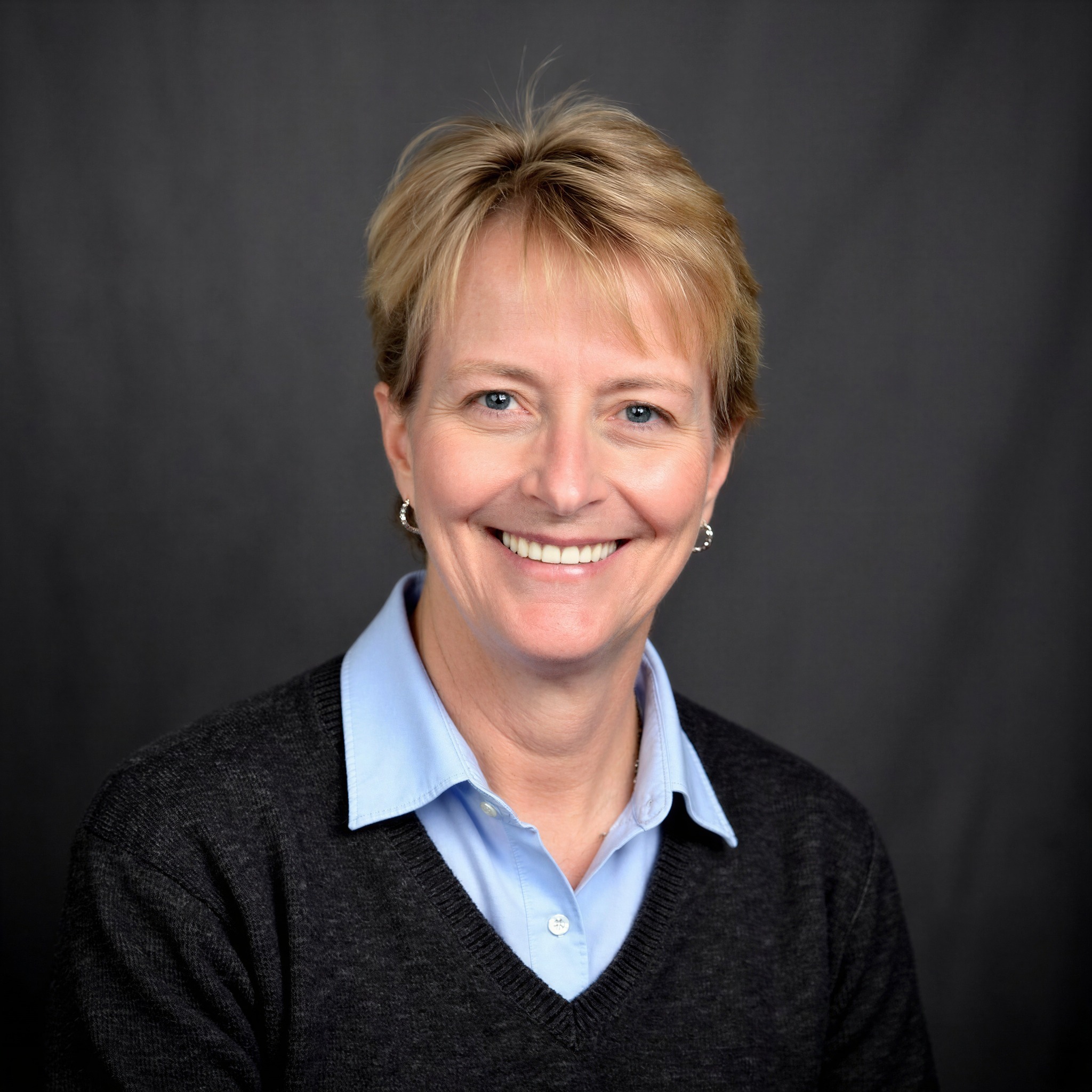
Reba A. Winters is a writer, photographer, mental health advocate, and creator of Defining Light Photo. Her work explores survival, faith, grief, creativity, mental health, family complexity, and the long process of reclaiming a voice after silence.
Photography became another language for her after the poems went quiet. Through her camera, Reba learned to pause, notice light, and preserve moments that might otherwise be lost. Her photographs are not separate from her writing. They are part of the same witness.
Reba lives in Texas with her wife, Stormy, and their wonderfully chaotic collection of dogs and cats. She writes to honor what shaped her, protect what remains sacred, and leave light for those still finding their way.